Is Phantom Blade Zero Based on Real Chinese History?
No: Phantom Blade Zero is original fiction in a fantasy China its director places “more or less” in the Ming era. What is real, what is invented, and why it matters.
江湖史
Wuxia, jianghu, assassins and ghosts: the history and mythology the kungfupunk world is built on.
9 entries
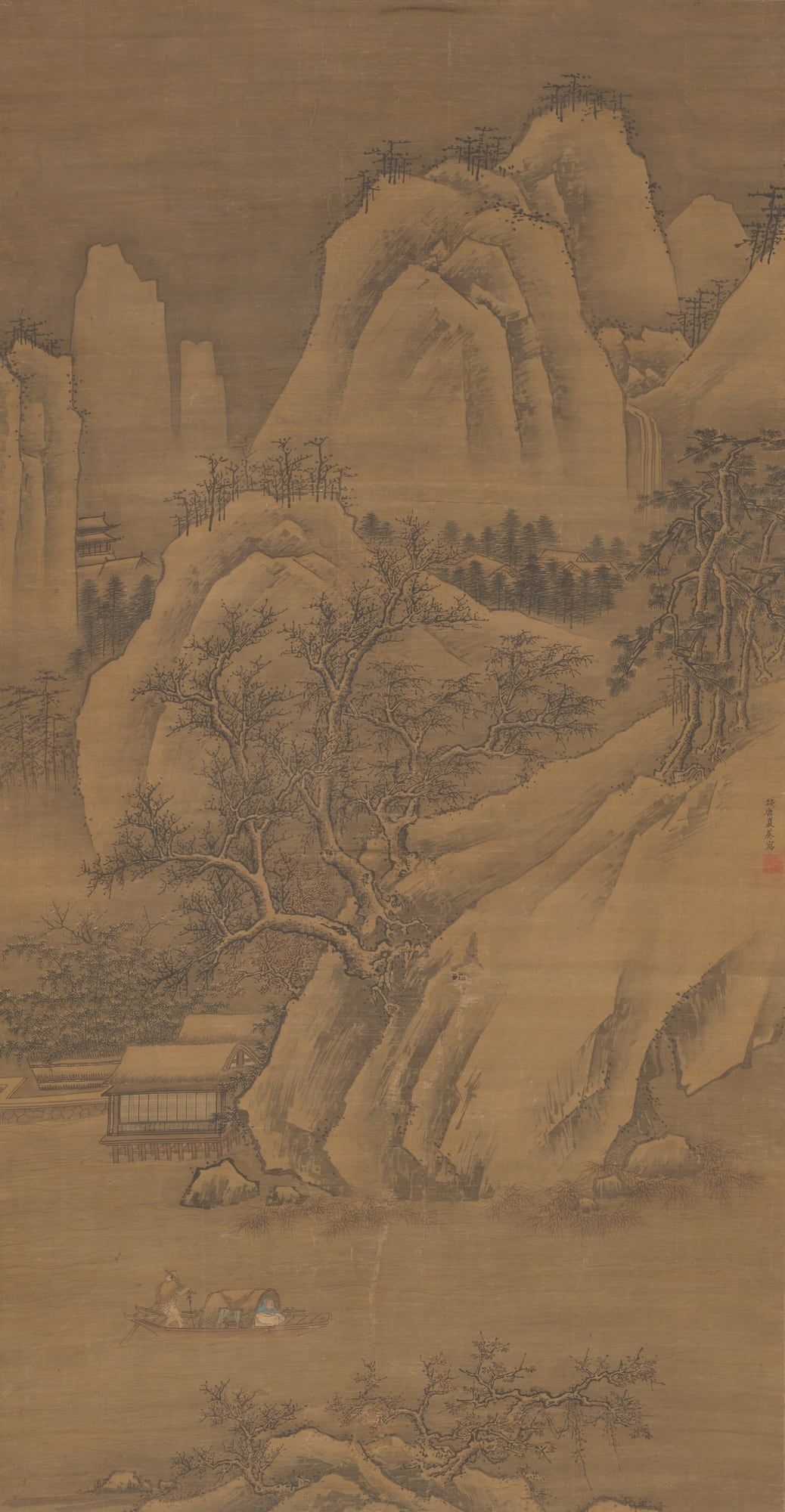
No: Phantom Blade Zero is original fiction in a fantasy China its director places “more or less” in the Ming era. What is real, what is invented, and why it matters.
Wuxia (武侠, wǔxiá) means “martial chivalry”: Chinese tales of wandering sword-heroes. Its meaning, pronunciation, 2,000-year history and place in Phantom Blade Zero.
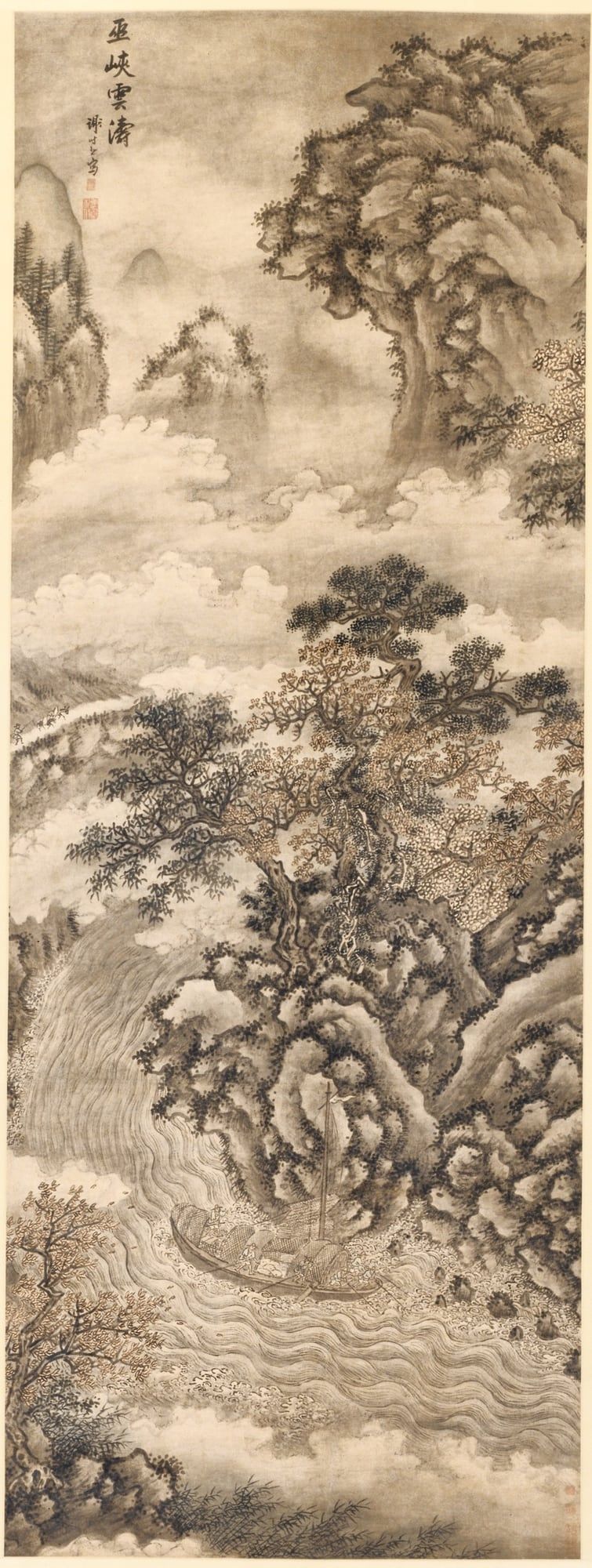
Jianghu (江湖) literally means “rivers and lakes”. How a Zhuangzi image became wuxia's martial world, how it differs from wulin and murim, and Phantom Blade Zero's Wulin.
Wuxia vs xianxia: martial heroes bound by human limits vs cultivators chasing immortality. A side-by-side table, plus shenmo, murim and where Phantom Blade Zero fits.
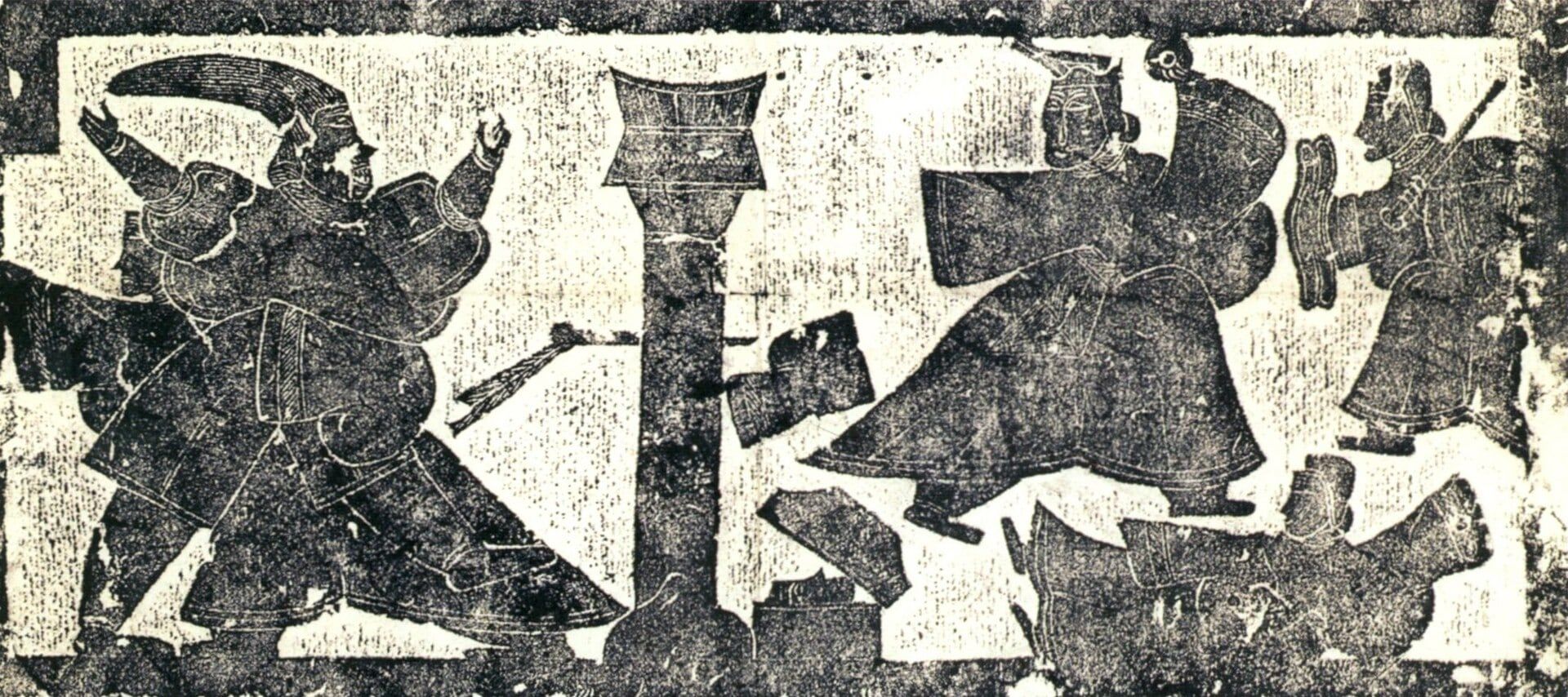
Ancient China's real assassins — Cao Mo, Zhuan Zhu, Yu Rang, Nie Zheng and Jing Ke — from Sima Qian's Shiji, plus Tang assassin tales, ninja and hashashin compared.
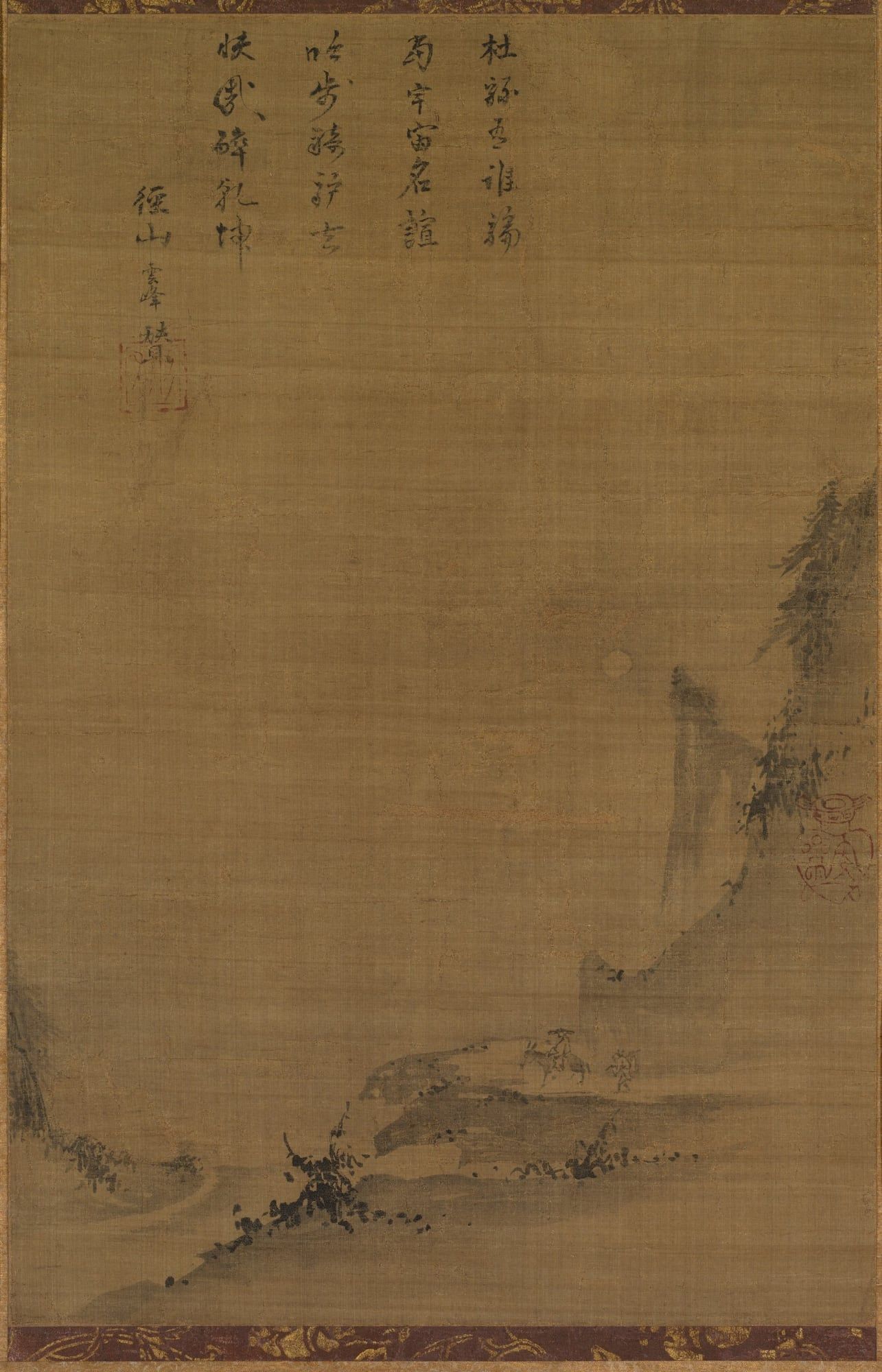
Is Phantom Blade Zero's Order real? No — but Ming China had secret police (Jinyiwei), banned sects (White Lotus) and sworn brotherhoods that became triads.
What lion dance really is: Northern vs Southern lions, eye-dotting, plucking the greens and plum-blossom poles — and how Phantom Blade Zero turned it into a boss.