Guide · Comparison
Phantom Blade Zero vs Black Myth: Wukong — Culture Compared
Not a review: how Phantom Blade Zero's wuxia, folk heritage and attack-while-defending combat differ from Black Myth: Wukong's gods, demons and Buddhist world.
Key facts
- Phantom Blade Zero is wuxia (武侠): a human martial world of xia heroes. Black Myth: Wukong is shenmo (神魔): gods and demons, continuing the 16th-century novel Journey to the West.
- Director Soulframe Liang: if Black Myth recreates Buddhist culture and material culture, he hopes Phantom Blade Zero can pass on folk culture and intangible heritage.
- The combat philosophies differ: PBZ is built on attacking while defending (连消带打), with parries and a Sha-Chi gauge; Black Myth gives a monkey warrior staff stances, spells and transformations.
- Both are Chinese-made Unreal Engine 5 action games: Black Myth by Game Science (August 2024), Phantom Blade Zero by S-GAME (October 2026).
- This is a comparison of cultural DNA, not quality, and the line is not a wall: Black Myth uses Shaanbei storytelling, and PBZ scans real towns.
Phantom Blade Zero and Black Myth: Wukong are both Chinese action games built on Unreal Engine 5, but they grow from different branches of Chinese storytelling. Phantom Blade Zero is wuxia 武侠 wǔxiáThe Chinese genre of martial heroes — knights-errant who live by a code of righteousness and settle wrongs with their own skill.Glossary →: mortal swordsmen in a martial underworld. Black Myth: Wukong is shenmo : gods, demons and immortals, picking up after the 16th-century novel Journey to the West . This is not a review or a ranking. It is a map of where each game’s culture comes from.
At a glance
| Phantom Blade Zero | Black Myth: Wukong | |
|---|---|---|
| Studio and release | S-GAME (灵游坊), 29 Oct 2026 | Game Science (游戏科学), 20 Aug 2024 |
| Literary tradition | Wuxia (武侠) | Shenmo (神魔), from Journey to the West |
| Story source | Original; grew out of the Rainblood games | Continues after the novel’s ending |
| Hero | Soul (魂), a human assassin with 66 days to live | The Destined One (天命人), a monkey warrior |
| Supernatural layer | Sha-Chi experiments, masked cults, steam machines | Gods, demons, spirits and spells |
| Heritage emphasis (in Liang’s framing) | Folk culture and intangible heritage: lion dance, nuo masks, puppetry, opera | Buddhist culture and material culture: temples, statues, carvings |
| Setting | The Phantom World, a fantasy China “more or less” in the Ming era | The novel’s mythic landscapes, built from scans of real temples and carvings |
| Combat core | Two blades plus two Phantom Edges; parry, Ghostep, Sha-Chi | A staff with three stances; spells; transformations; focus built by dodging |
| Music | Erhu and pipa against electric guitar, rock and EDM; no Western brass | 8082 Audio: Chinese instruments with orchestra; “Yungong Xunyin” |
| Engine | Unreal Engine 5 | Unreal Engine 5 |
Wuxia vs shenmo: two branches of Chinese fiction
Wuxia, “martial chivalry”, is the genre that 20th-century novelists such as Jin Yong (Louis Cha) and Gu Long, and the filmmakers of Hong Kong, turned into what Liang calls “Level Two” of Chinese fantasy. Its heroes are human. The xia (侠), Liang told Gamersky, is a hero from the common people, unlike the European noble knight or the samurai. Even Phantom Blade Zero’s action director keeps the rule: wuxia heroes “must still stay within the limits of human ability,” as Yang Liu told Inverse. More in What is wuxia?
Shenmo, “gods and demons”, is the name the writer Lu Xun gave, in his Brief History of Chinese Fiction, to Ming novels such as Journey to the West and Investiture of the Gods (封神演义). Journey to the West, whose earliest surviving edition was printed in Nanjing in 1592, is traditionally ascribed to Wu Cheng’en, an attribution modern scholars question. It follows the monk Tang Sanzang, modelled on the 7th-century pilgrim Xuanzang, on his journey west for Buddhist scriptures, guarded by the Monkey King, Sun Wukong. Black Myth picks up after the ending: Sun Wukong has turned his back on the Celestial Court, and the Destined One sets out to recover relics tied to his six senses.
So the enemies differ at the root. Phantom Blade Zero’s villains are mostly people gone wrong; Liang says characters like the Kunlun renegade Huangxing once held to the xia code before their faith collapsed. Black Myth’s bosses are the yaoguai and deities of the novel. For the genre in between, where mortals cultivate into immortals, see wuxia vs xianxia.
Buddhist and material culture vs folk and intangible heritage
Liang drew the contrast himself in a 2025 interview with Jiefang Daily:
如果说《黑神话:悟空》是对佛教文化和物质文化的再现,那么我希望可以对民俗文化和非物质文化遗产进行传承。
If Black Myth: Wukong is a re-creation of Buddhist culture and material culture, then I hope we can pass on folk culture and intangible cultural heritage.
“Material culture” here means tangible heritage. Game Science spent four years travelling China to scan temples, statues and carvings, including Kaiyuan Temple in Quanzhou, Wulong Temple in Langzhong and the Dazu Rock Carvings, and sites the game features, notably in Shanxi province, drew a tourism surge after launch. Its story is steeped in Buddhism because Journey to the West is a pilgrimage for scriptures.
“Intangible heritage” means living practices. Jiefang Daily lists what Phantom Blade Zero recasts in kungfupunk form: southern ancestral-hall worship, Guangdong lion dance, Zhejiang puppet theatre, Fujian deity processions, Jiangxi nuo masks, Sichuan face-changing, Beijing opera and imperial ceremony. The lion-dance boss was choreographed with Guangdong masters, and its first-phase music was recorded with a real troupe.
To be fair to both games, Liang’s line describes emphasis, not a wall. Black Myth carries intangible heritage too: its soundtrack uses Shaanbei storytelling (陕北说书), Hua’er folk singing and Buddhist chanting. Phantom Blade Zero, for its part, scans real towns and works with museums. But the centre of gravity differs. Black Myth invites you to look up at China’s temples; Phantom Blade Zero invites you to watch its festivals and rituals turned into boss fights.
Combat philosophy: attacking while defending
Liang explains Phantom Blade Zero’s combat through cinema. “If you watch a lot of Hong Kong Golden Age kung fu movies, you will feel all the swordplay in Chinese kung fu,” he told GameSpot. “They are all attacking while defending, so it happens at the same time.” The Chinese Steam page uses the classical phrase 连消带打: deflect and strike in one motion.
In practice, blue “Brutal” attacks can be parried into a Ghostep that puts Soul behind the enemy, and red “Killer” attacks must be dodged at the last moment. One Sha-Chi gauge serves as stamina and posture for everyone, and Liang tunes bosses so that about 70% of their Sha-Chi loss comes from your offence and only 30% from parries. In a June 2025 letter he insisted: “Phantom Blade Zero is neither a Soulslike game nor a traditional action game.”
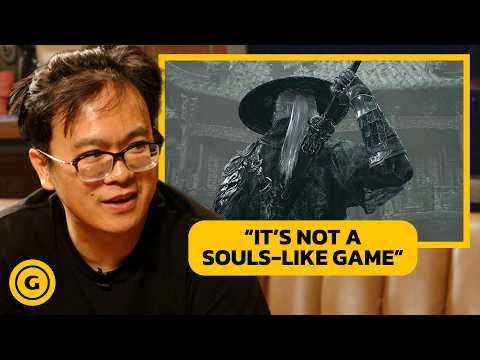 Phantom Blade Zero Devs Explain Why It Isn't a Souls-Like OR Hack n Slash
Black Myth asks something different. The Destined One fights with a staff modelled on Sun Wukong’s Ruyi Jingu Bang, switching between smash, pillar and thrust stances; spells and transformations into other beings with their own movesets echo the Monkey King’s 72 transformations; and focus builds through light attacks and well-timed dodges. Phantom Blade Zero’s fantasy is the mastery of a human body and a blade. Black Myth’s is a demigod’s toolkit of magic. Neither is more Chinese; they draw on different shelves of the same library.
Music and setting
Music. Phantom Blade Zero’s composer, Bo Caisheng, insists that “Chinese instruments have souls; we can’t treat them as substitutes for Western ones” (中国乐器是有灵魂的,我们不能把它当成西方乐器的代餐). His erhu, “very jianghu, even wild”, duels electric guitar; suona and pipa sit over vintage synths, rock, metal, EDM and hardcore house; and there are no Western brass or woodwinds at all. Black Myth’s soundtrack, produced by 8082 Audio, blends Chinese instruments with Western orchestral writing and features a symphonic version of “Yungong Xunyin” (云宫迅音), Xu Jingqing’s theme from the 1986 television Journey to the West, a direct line to the adaptation millions of Chinese viewers grew up with.
Setting. Phantom Blade Zero’s Phantom World is a fantasy China that Liang places “more or less” in the Ming era, then fills with steam towers and prosthetics; see Is Phantom Blade Zero real history? Black Myth’s world is the novel’s mythic geography after the pilgrimage, assembled from scans of real temples and grottoes.
If Black Myth made players look up at Chinese temples, Phantom Blade Zero wants them to look around at Chinese streets, festivals and fighting traditions. Play both and you get two halves of one inheritance: the gods and the swordsmen.
Names in this article · Codex
Frequently asked
Q01Is Phantom Blade Zero like Black Myth: Wukong?
Q02Is Phantom Blade Zero based on Journey to the West?
Q03What is the difference between wuxia and shenmo?
Q04Is Phantom Blade Zero a Soulslike?
Q05Are the two games made by the same studio?
Sources & further reading
- 专访国产单机游戏《影之刃零》制作人梁其伟:让全球玩家“玩”武打! — Jiefang Daily 解放日报, Feb 2025
- Phantom Blade 0 Has A Really Cool Detail That Hasn't Been Explained — GameSpot (via Yahoo)
- Phantom Blade Zero is “neither a Soulslike game nor a traditional action game,” creator says — GamesRadar+, Jun 2025
- Phantom Blade Zero store page (Simplified Chinese text: 连消带打) — Steam / S-GAME
- Black Myth: Wukong — Wikipedia
- Journey to the West — Wikipedia
- 在《影之刃零》里寻找传统民乐器的灵魂 (composer Bo Caisheng) — ChuApp 触乐, 12 Dec 2025
Cite this page
Wuxiapunk Editors. (2026, October 27). Phantom Blade Zero vs Black Myth: Wukong — Culture Compared. Wuxiapunk. https://wuxiapunk.com/guides/phantom-blade-zero-vs-black-myth-wukong/
“Phantom Blade Zero vs Black Myth: Wukong — Culture Compared.” Wuxiapunk, 27 Oct. 2026, https://wuxiapunk.com/guides/phantom-blade-zero-vs-black-myth-wukong/.
Keep reading
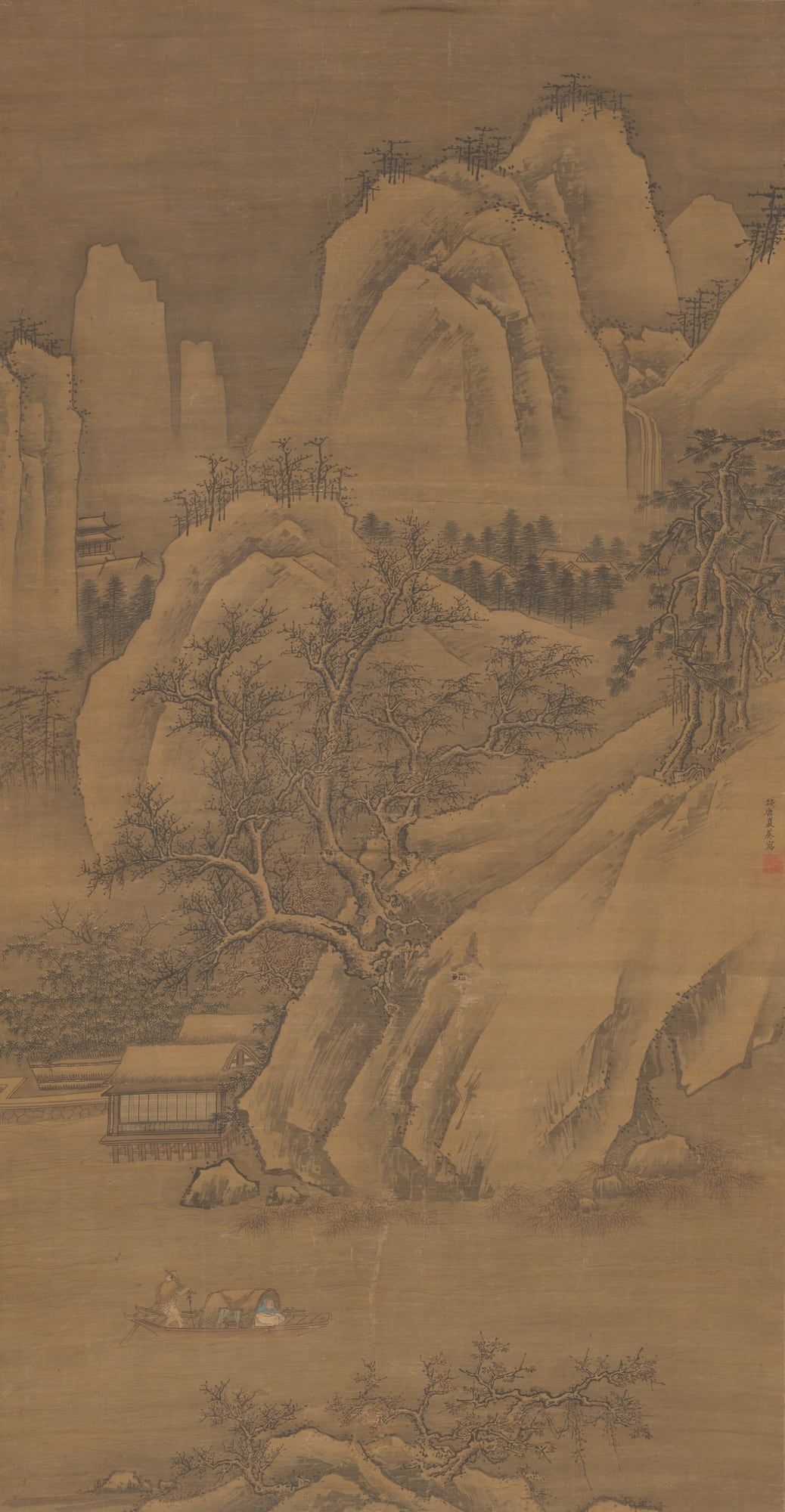
What Is Wuxia? Meaning, Pronunciation & Phantom Blade Zero
Wuxia (武侠, wǔxiá) means “martial chivalry”: Chinese tales of wandering sword-heroes. Its meaning, pronunciation, 2,000-year history and place in Phantom Blade Zero.
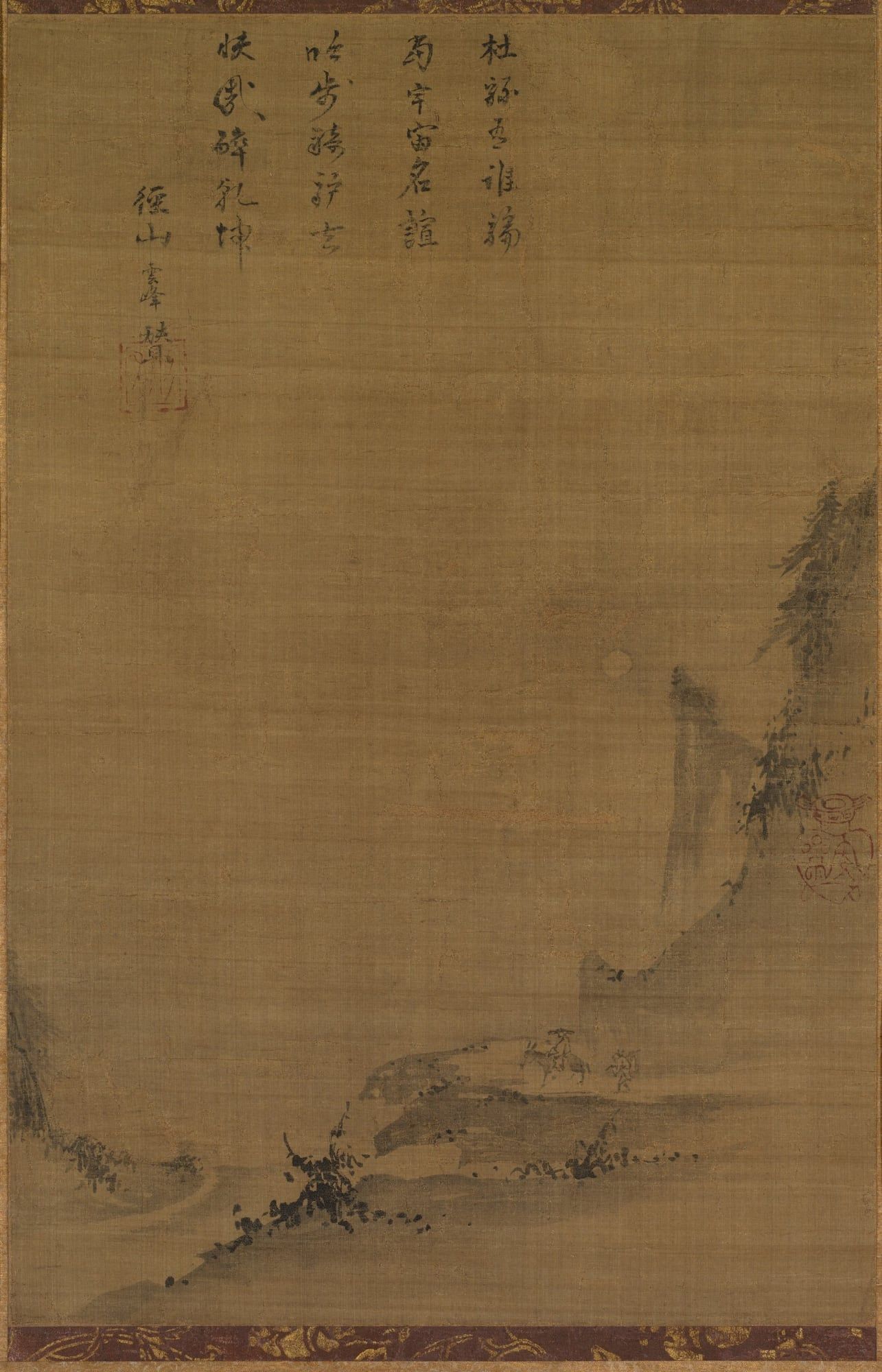
Wuxia vs Xianxia: Where Does Phantom Blade Zero Fit?
Wuxia vs xianxia: martial heroes bound by human limits vs cultivators chasing immortality. A side-by-side table, plus shenmo, murim and where Phantom Blade Zero fits.
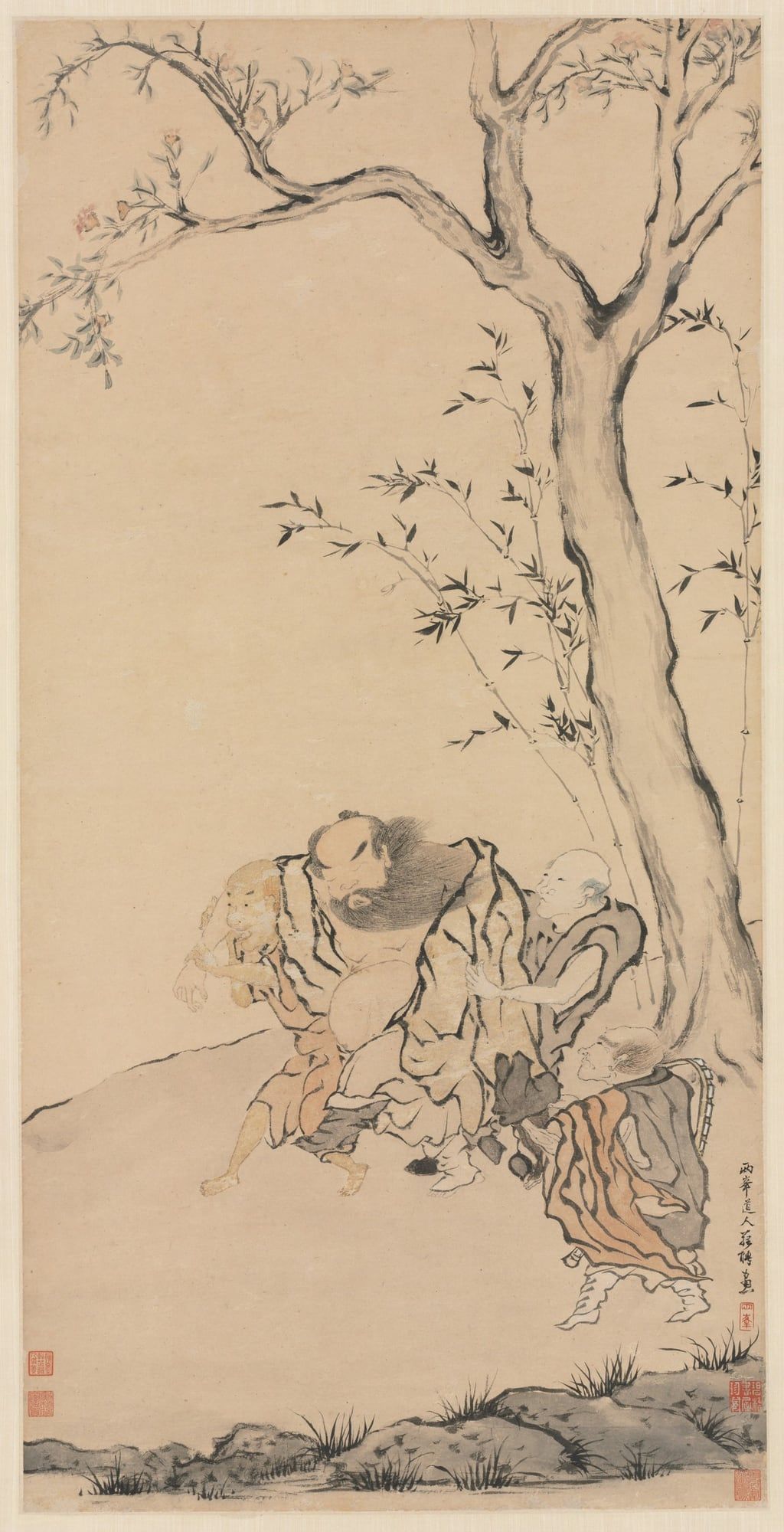
Chinese Mythology & Folklore in Phantom Blade Zero
Is Phantom Blade Zero based on Chinese mythology? The real folk rituals behind it — nuo masks, puppets, deity processions, red threads, Kunlun — and what's invented.